Small Tool Inspections: A Simple System for Safer Construction Sites
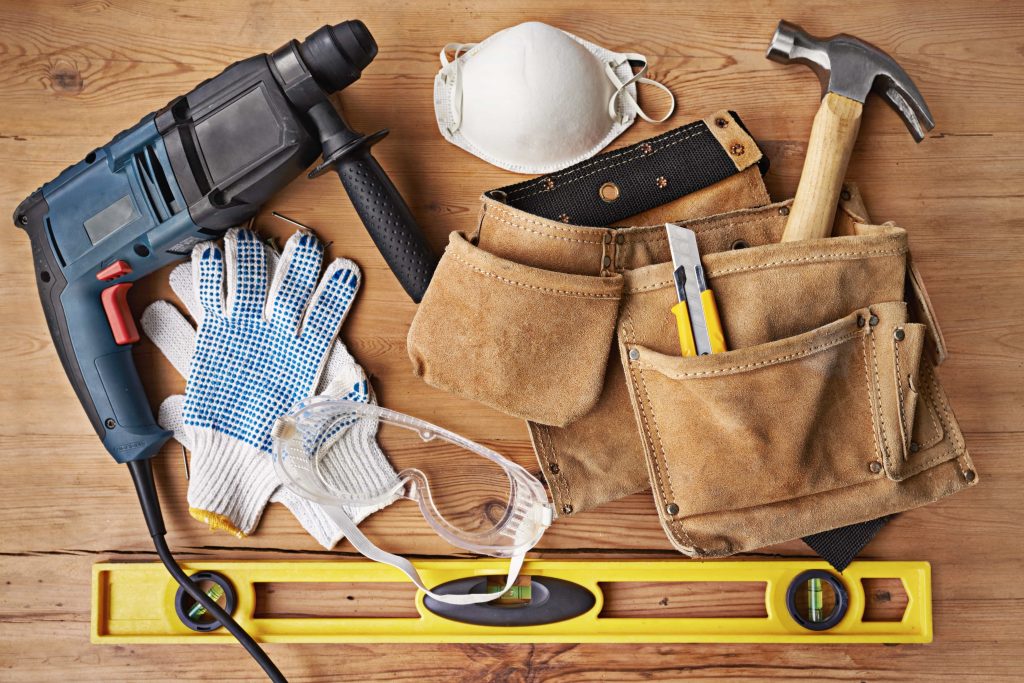
Small tool inspections are one of the most overlooked safety practices on construction sites. While heavy machinery often receives strict checks, everyday tools like grinders, drills, and saws are frequently used without proper inspection.
Yet these tools cause a significant number of workplace incidents each year. According to the Health and Safety Executive (HSE), poorly maintained equipment contributes to thousands of workplace injuries annually.
In this guide, we’ll explore why small tool inspections matter, what a proper inspection includes, and how digital inspection tools can make the process faster, safer, and easier for construction teams.
Why Small Tool Inspections Matter on Construction Sites
Small tools are used constantly across construction projects. Because they’re portable and often shared between workers, they’re also more likely to become damaged or poorly maintained.
Regular small tool inspections help identify problems before they cause injury or downtime.
The risks of uninspected tools
Failing to inspect small tools can lead to several serious issues, including:
- Electrical faults or damaged cables
- Loose guards or safety components
- Excessive wear and tear
- Unexpected tool failure during use
These hazards can quickly turn routine tasks into serious safety incidents.
The Health and Safety Executive reports that equipment defects are a major contributor to workplace accidents, particularly in construction environments where tools operate under heavy use.
The benefits of routine inspections
Implementing routine inspections provides clear advantages for construction teams:
- Improved worker safety
- Reduced equipment downtime
- Better compliance with safety regulations
- Clear documentation for audits and inspections
Regular inspections protect both workers and the business by ensuring tools remain safe and reliable.
What Should Be Included in a Small Tool Inspection?
A proper small tool inspection should be quick but thorough. Most checks can be completed in under two minutes when workers know what to look for.
Visual inspection checks
Workers should check the tool for obvious signs of damage, including:
- Cracked housings or broken handles
- Loose screws or components
- Missing safety guards
- Signs of overheating or burning
Any damaged tools should be removed from service immediately to prevent accidents.
Electrical safety checks
For powered tools, electrical safety is critical. Workers should check:
- Power cables for cuts or exposed wires
- Plugs for damage
- Battery packs for swelling or overheating
Damaged electrical equipment significantly increases the risk of shocks, fires, and equipment failure.
Operational checks
Finally, the tool should be briefly tested before use. This includes checking for:
- Smooth operation
- Abnormal noises or vibrations
- Proper functioning of safety switches
If anything feels unusual, the tool should be reported and inspected by a supervisor before it is used.
👉 Book a demo today to see how workMule can help your team digitise daily small tools checks and streamline your compliance process.
The Challenges of Paper-Based Tool Inspections

Many construction companies still rely on paper inspection sheets. While this approach may appear simple, it often creates several problems.
Lost or incomplete records
Paper forms can easily be lost, damaged, or filled in incorrectly. This creates gaps in safety documentation, especially when preparing for audits or inspections.
Limited accountability
When inspections are recorded manually, it can be difficult to track who performed the inspection, when it occurred, and whether any reported issues were resolved.
Without clear records, safety risks can slip through the cracks.
Slow defect reporting
If a tool is damaged, reporting the issue through paper systems can delay action. This can result in defective tools remaining in circulation longer than they should, increasing the risk of accidents.
How Digital Small Tool Inspections Improve Safety
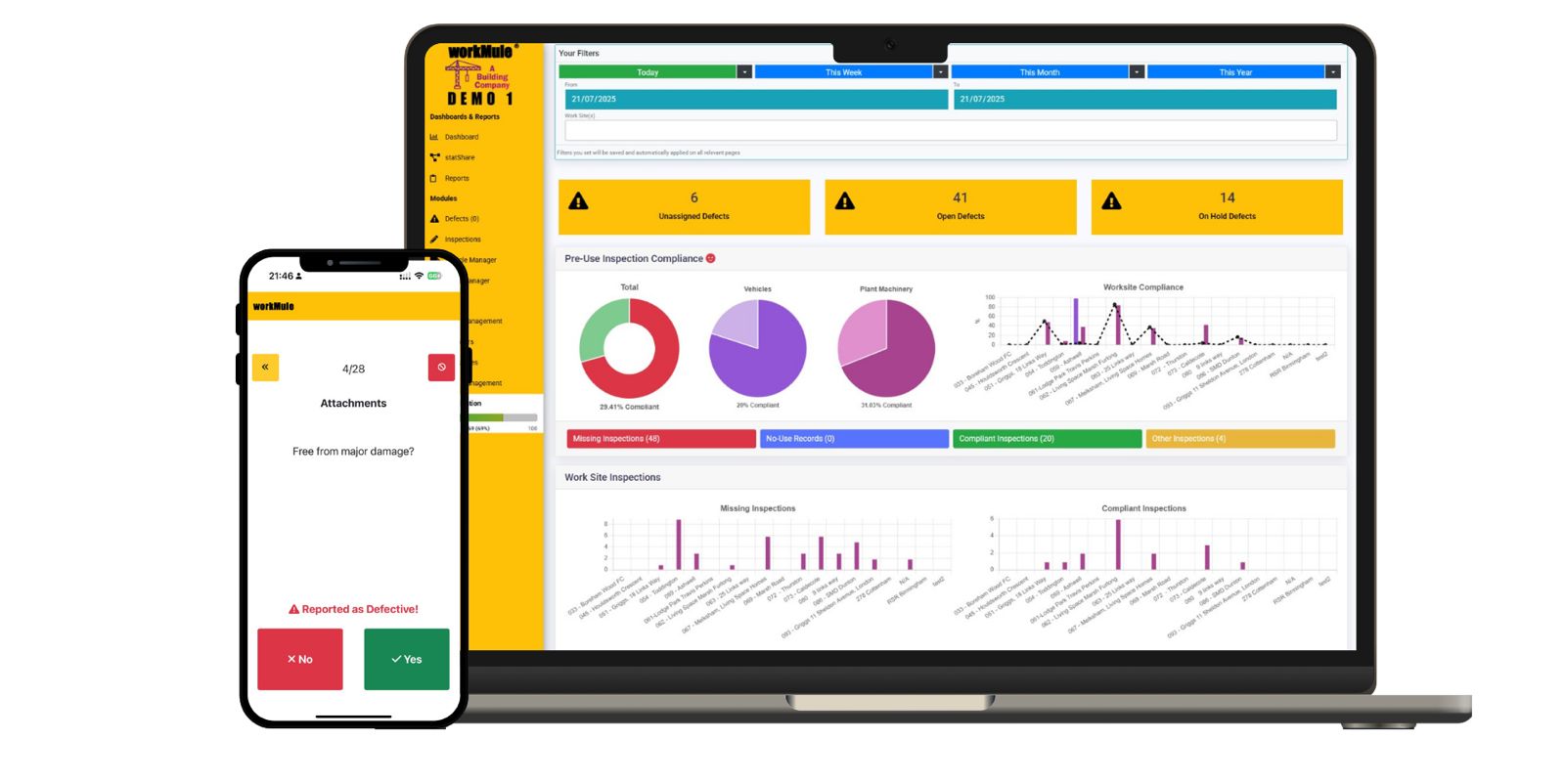
Digital inspection systems are becoming increasingly common in construction because they simplify safety processes while improving accountability.
QR code tool tracking
With QR code asset tracking, each tool is assigned a unique code. Workers simply scan the code using their phone or tablet to access the inspection checklist.
This allows them to:
- Complete inspections instantly
- Record the condition of the tool
- Report faults immediately
This approach ensures every tool has a traceable inspection history.
Faster defect reporting
Digital systems allow workers to report problems immediately. Photos, notes, and timestamps can be attached to inspection reports, providing supervisors with detailed information about the issue.
Supervisors can then quickly decide whether the tool should be repaired, replaced, or removed from service.
Clear compliance records
Digital inspections automatically create a centralised inspection log. This provides construction companies with a reliable record of inspections, making it easier to demonstrate compliance during safety reviews or regulatory audits.
Platforms like Workmule allow construction teams to manage inspections, track assets using QR codes, and report defects quickly from any site.
Best Practices for Managing Small Tools on Site
A safe construction site requires more than occasional inspections. The most successful teams follow a structured approach to managing small tools.
Implement daily inspections
Workers should perform pre-use inspections at the start of every shift. This ensures damaged tools are identified before work begins.
Assign tool ownership
Each tool should have a clear responsible team or supervisor. This helps ensure equipment is maintained properly and inspections are completed consistently.
Track tools digitally
Digital tracking systems provide visibility into the condition and location of tools across different sites. This makes it easier to manage large numbers of assets and prevent equipment from being lost or misused.
Train workers properly
Workers should understand how to inspect tools, what defects to look for, and how to report problems quickly. Proper training significantly improves the effectiveness of inspection programs.
Conclusion
Small tool inspections play a vital role in maintaining safe construction sites. Even minor defects in everyday tools can cause serious injuries or costly downtime if left unnoticed.
By implementing structured inspection routines and adopting digital inspection systems, construction companies can improve safety, reduce risk, and maintain clear compliance records.
Digital platforms like Workmule make it easier to manage inspections, track tools, and report defects across multiple sites. With the right systems in place, small tool inspections become faster, more reliable, and far more effective at keeping workers safe.
👉 Book a demo today to see how workMule can help your team digitise daily small tools checks and streamline your compliance process.